The Secret Life of Forest Fungi: More Than Mushrooms
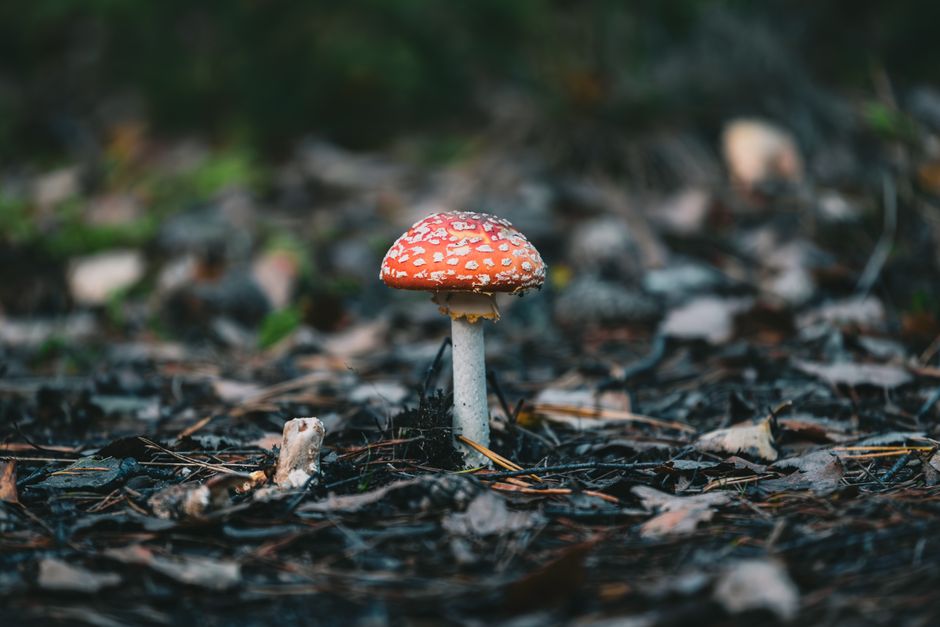
When most people think of fungi, they picture mushrooms—the familiar fruiting bodies that appear after rain or in autumn. Yet these visible structures represent only a small fraction of a vast and hidden world beneath the forest floor. The true essence of fungi lies in their extensive networks of thread-like cells called hyphae, which collectively form the mycelium. This underground web permeates soil, decaying wood, and even living plant tissues, acting as a silent orchestrator of woodland ecology.
In forests across the United States and around the globe, fungi perform essential functions that sustain tree health, recycle nutrients, and shape the structure of entire ecosystems. From forming mutually beneficial partnerships with tree roots to breaking down fallen logs, fungi are indispensable components of woodland environments. Understanding their roles offers a window into the complex interdependencies that define forest ecosystems.
This article delves into the secret life of forest fungi, focusing on mycelium networks and their contributions to tree health and organic matter decomposition. By examining these processes, we can appreciate the profound influence fungi have on the vitality and resilience of woodlands.
The Hidden Architecture of Mycelium Networks
Mycelium is a biological marvel—a branching network of hyphae that can extend for miles through the soil. Each hypha is a microscopic tube filled with cytoplasm and organelles, and together they form a dynamic system capable of exploring and exploiting resources. This network is not static; it grows, adapts, and responds to environmental cues, seeking out nutrients and water while avoiding obstacles. Mycelial networks can be incredibly dense, with a single gram of soil potentially containing hundreds of meters of hyphae.
The architecture of mycelium enables fungi to connect different parts of the forest. Some fungi, known as mycorrhizal fungi, form symbiotic associations with tree roots. These fungi envelop or penetrate root cells, creating an interface for nutrient exchange. In ectomycorrhizal associations, common in temperate forests, the fungus forms a sheath around the root tips and extends hyphae into the soil, effectively expanding the tree’s absorptive surface area. Arbuscular mycorrhizal fungi, more typical in grasslands and tropical forests, penetrate root cells to form branched structures called arbuscules.
Beyond mycorrhizae, saprotrophic fungi decompose dead organic matter. Their mycelia secrete enzymes that break down complex polymers like cellulose and lignin, the primary components of plant cell walls. This decomposition process releases carbon, nitrogen, and other nutrients back into the soil, where they become available for uptake by plants and other organisms. The mycelium acts as a nutrient highway, translocating resources from areas of abundance to areas of need within the fungal network.
Recent research has revealed that mycelial networks can connect multiple trees, forming what some scientists call the “wood wide web.” These networks facilitate the transfer of carbon, water, and signaling molecules between plants, potentially influencing forest regeneration, competition, and defense. While the extent and significance of these transfers are still being studied, the evidence suggests that mycelium networks play a critical role in forest dynamics.
Symbiotic Partnerships: How Fungi Support Tree Health
The relationship between mycorrhizal fungi and trees is a classic example of mutualism, where both partners benefit. The fungus receives carbohydrates, such as sugars and lipids, produced by the tree through photosynthesis. In return, the fungus enhances the tree’s access to water and nutrients, particularly phosphorus and nitrogen, which are often limiting in forest soils. This exchange occurs at the mycorrhizal interface, where fungal hyphae and root cells come into close contact.
Beyond nutrient acquisition, mycorrhizal fungi can improve tree health in several ways. They can protect roots from pathogenic organisms by forming a physical barrier or by producing antibiotic compounds. Some fungi also help trees tolerate environmental stresses, such as drought or heavy metal contamination, by altering water relations or detoxifying harmful substances. Moreover, the fungal network can connect trees of different species, allowing for the transfer of resources from surplus to deficit individuals, which may enhance overall forest resilience.
However, these benefits are context-dependent. The outcome of mycorrhizal associations varies with fungal species, tree species, soil conditions, and climate. In some cases, the relationship can become parasitic, especially if environmental conditions favor the fungus over the tree. For example, under high nutrient availability, the tree may reduce its carbon allocation to the fungus, leading to a shift in the balance of the symbiosis. Thus, the health of a tree is influenced by a complex interplay of biotic and abiotic factors, with mycorrhizal fungi playing a modulating role.
Forest management practices can affect mycorrhizal communities. Activities such as logging, soil compaction, and the use of fertilizers may disrupt fungal networks and reduce diversity. Conversely, practices that retain organic matter and minimize soil disturbance tend to support healthy mycorrhizal populations. Understanding these dynamics is essential for maintaining forest health and productivity.
Decomposition: The Recycling Engine of the Forest
Saprotrophic fungi are the primary decomposers in many forest ecosystems, breaking down dead plant material and returning essential nutrients to the soil. Without their activity, organic matter would accumulate, and nutrients would remain locked in dead tissues, unavailable for new growth. The decomposition process begins when fungal hyphae colonize fallen leaves, branches, and logs. They secrete a suite of extracellular enzymes that cleave complex molecules into simpler compounds, which are then absorbed by the mycelium.
The breakdown of lignin, a rigid polymer that gives wood its strength, is particularly challenging. Only certain fungi, such as white-rot fungi, possess the enzymatic machinery to degrade lignin effectively. Brown-rot fungi, on the other hand, primarily consume cellulose and hemicellulose, leaving behind a brittle, brown residue. These different decomposition strategies influence the rate and pattern of nutrient release, as well as the physical structure of the forest floor.
Decomposition is not a solitary process; fungi interact with bacteria, invertebrates, and other organisms. For instance, fungal hyphae can be grazed upon by microarthropods, which in turn release nutrients in more accessible forms. The interplay between these groups drives the decomposition continuum, from fresh litter to humus. The resulting humus improves soil structure, water-holding capacity, and cation exchange capacity, all of which benefit plant growth.
Environmental factors such as temperature, moisture, and oxygen availability strongly influence decomposition rates. In temperate forests, decomposition is fastest in warm, moist conditions, while in arid or waterlogged environments, it slows considerably. Climate change is expected to alter these conditions, with potential consequences for nutrient cycling and carbon storage in forests. Fungi, as key decomposers, will play a central role in mediating these changes.
Beyond the Basics: Fungi as Ecosystem Engineers
Fungi do more than decompose and form symbioses; they also shape the physical environment and influence the diversity of other organisms. For example, fungal fruiting bodies, such as mushrooms, provide food for mammals, insects, and birds. Some animals, like squirrels and deer, rely on mushrooms as a seasonal food source. In turn, these animals disperse fungal spores, aiding in colonization of new substrates.
Mycelial networks can also stabilize soil, preventing erosion. The hyphae bind soil particles together, forming aggregates that resist water and wind. This stabilization is especially important on slopes and in riparian zones. Furthermore, certain fungi can degrade pollutants, including pesticides and industrial chemicals, through processes like bioremediation. This capacity highlights the potential of fungi in environmental cleanup, although the effectiveness depends on the specific compounds and site conditions.
Fungi also interact with other microorganisms, including bacteria and other fungi, forming complex communities. These interactions can be competitive, mutualistic, or antagonistic, and they influence the composition and function of the forest microbiome. For instance, some fungi produce antibiotics to inhibit competitors, while others form biofilms that facilitate cooperative degradation. The study of these interactions is a growing field, with implications for understanding forest health and managing ecosystems.
In the context of Nature Trail, a company dedicated to exploring and preserving natural environments, recognizing the roles of fungi is integral to holistic forest stewardship. By appreciating the hidden life of fungi, we can better understand the intricate connections that sustain woodlands and inform practices that support their long-term vitality.
Studying Fungi: Methods and Challenges
Investigating the secret life of forest fungi is not without difficulties. Traditional methods rely on observing fruiting bodies, but these are ephemeral and may not represent the full diversity of fungi present. Molecular techniques, such as DNA sequencing, have revolutionized fungal ecology by allowing researchers to identify species from soil, roots, and wood samples. Metagenomics and metabarcoding provide snapshots of fungal communities, revealing previously unknown taxa and their distributions.
Stable isotope analysis and radioactive tracers are used to track nutrient flows through mycorrhizal networks. For example, researchers can label carbon with carbon-13 or carbon-14 and follow its movement from one tree to another via fungal connections. Such experiments have provided evidence for resource sharing, though the ecological significance of these transfers remains debated. Field studies often combine these tools with manipulative experiments, such as trenching to sever fungal networks or adding nutrients to alter mycorrhizal functioning.
Challenges include the sheer complexity of fungal communities, which can comprise thousands of species in a single forest. Many fungi are unculturable, making it hard to study their physiology in the lab. Additionally, the dynamic nature of mycelial networks means that their structure and function change over time and space. Long-term monitoring and interdisciplinary approaches are essential to capture the full picture.
Despite these challenges, advances in technology continue to deepen our understanding. Remote sensing, for instance, can detect changes in forest canopy health that may reflect belowground fungal activity. Citizen science projects engage the public in documenting fungal diversity, contributing valuable data. As our knowledge grows, so does the recognition that fungi are not just passive inhabitants but active drivers of forest ecosystem processes.
Implications for Forest Conservation and Management
Given the critical roles fungi play, forest conservation and management strategies should consider the belowground realm. Practices that maintain soil integrity, such as minimizing compaction and retaining coarse woody debris, support fungal diversity and function. Protecting old-growth forests, which often harbor unique fungal communities, is particularly important. In restoration efforts, inoculating soils with native mycorrhizal fungi can aid in reestablishing plant communities, though success varies with site conditions and fungal species.
Climate change poses a significant threat to fungal communities. Shifts in temperature and precipitation patterns can alter the distribution of fungi and disrupt symbiotic relationships. For example, drought stress may reduce mycorrhizal colonization, impairing tree nutrient uptake and increasing vulnerability to pests and diseases. Forest managers may need to adapt strategies to enhance resilience, such as promoting drought-tolerant tree species or assisting the migration of fungal partners.
Public awareness of fungal importance is also growing. Mushroom festivals, foraging tours, and educational programs highlight the diversity and ecological significance of fungi. For companies like Nature Trail, integrating fungal ecology into interpretive materials can enrich visitor experiences and foster a deeper appreciation for forest ecosystems. By connecting people with the unseen world beneath their feet, we can cultivate support for conservation efforts.
In conclusion, the secret life of forest fungi is a testament to the complexity and interconnectedness of nature. Mycelium networks, though hidden, are fundamental to tree health, nutrient cycling, and ecosystem stability. As research continues to unveil their mysteries, it becomes clear that fungi are not merely mushrooms but key players in the drama of the forest. Recognizing their contributions is a step toward more holistic and effective stewardship of our woodlands.